
Websites
Fast, well-designed sites built to be found on Google and in AI answers, and to get visitors to take action.
Discuss your websiteWebsites, web apps and automations that work together. One partner instead of three, accountable after launch.

We start from scratch or build on what you have. Always on a modern AI stack: code you own, editable with AI.
Fast, well-designed sites built to be found on Google and in AI answers, and to get visitors to take action.
Discuss your website
Client portals and internal tools in a single codebase you own, built around how your business works.
Discuss your web app
Take repetitive work off your team and connect your tools, with fixed workflows or AI agents where they help.
Discuss an automation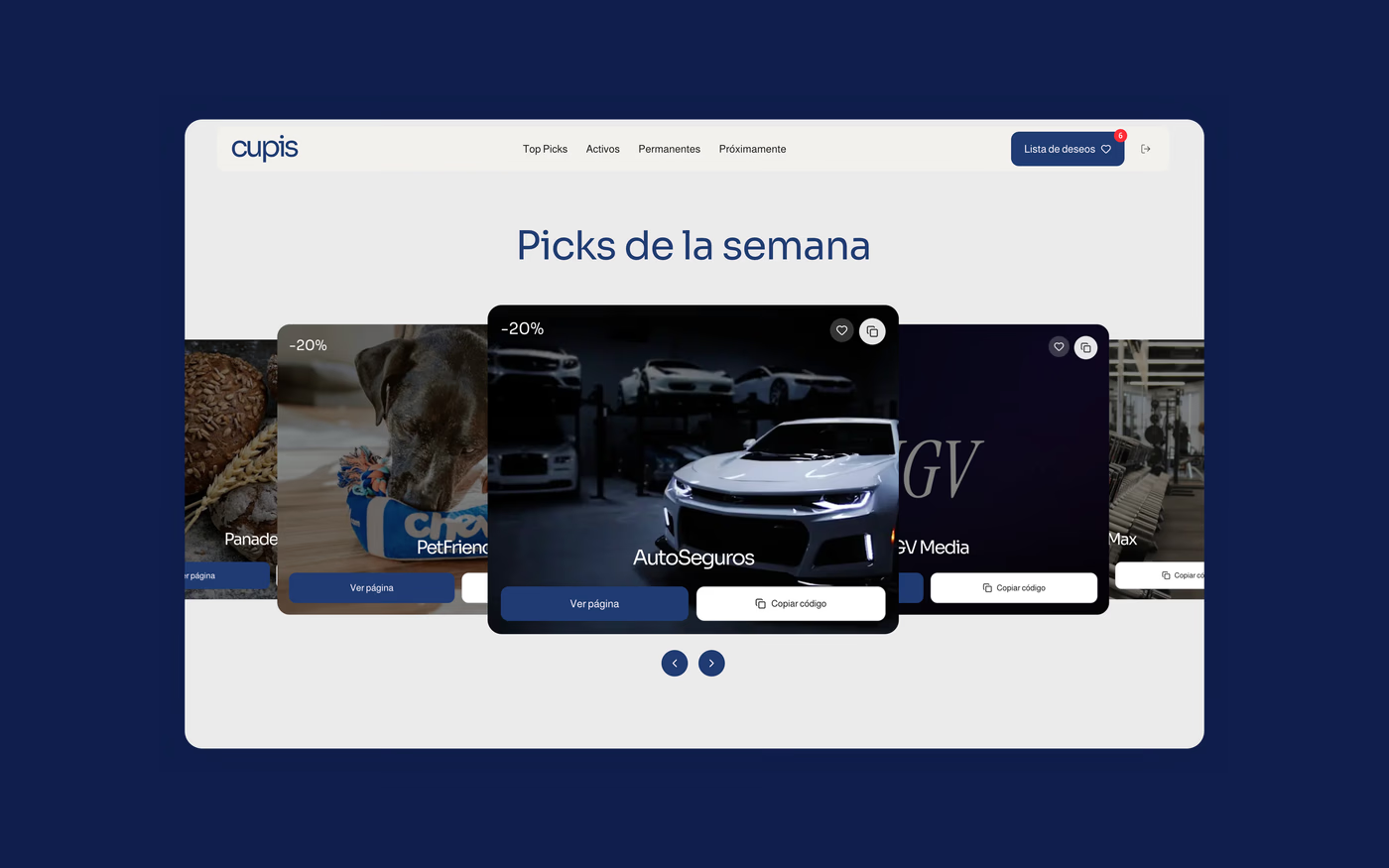
SaaS
Private offers platform linking companies, employees and brands in Spain.
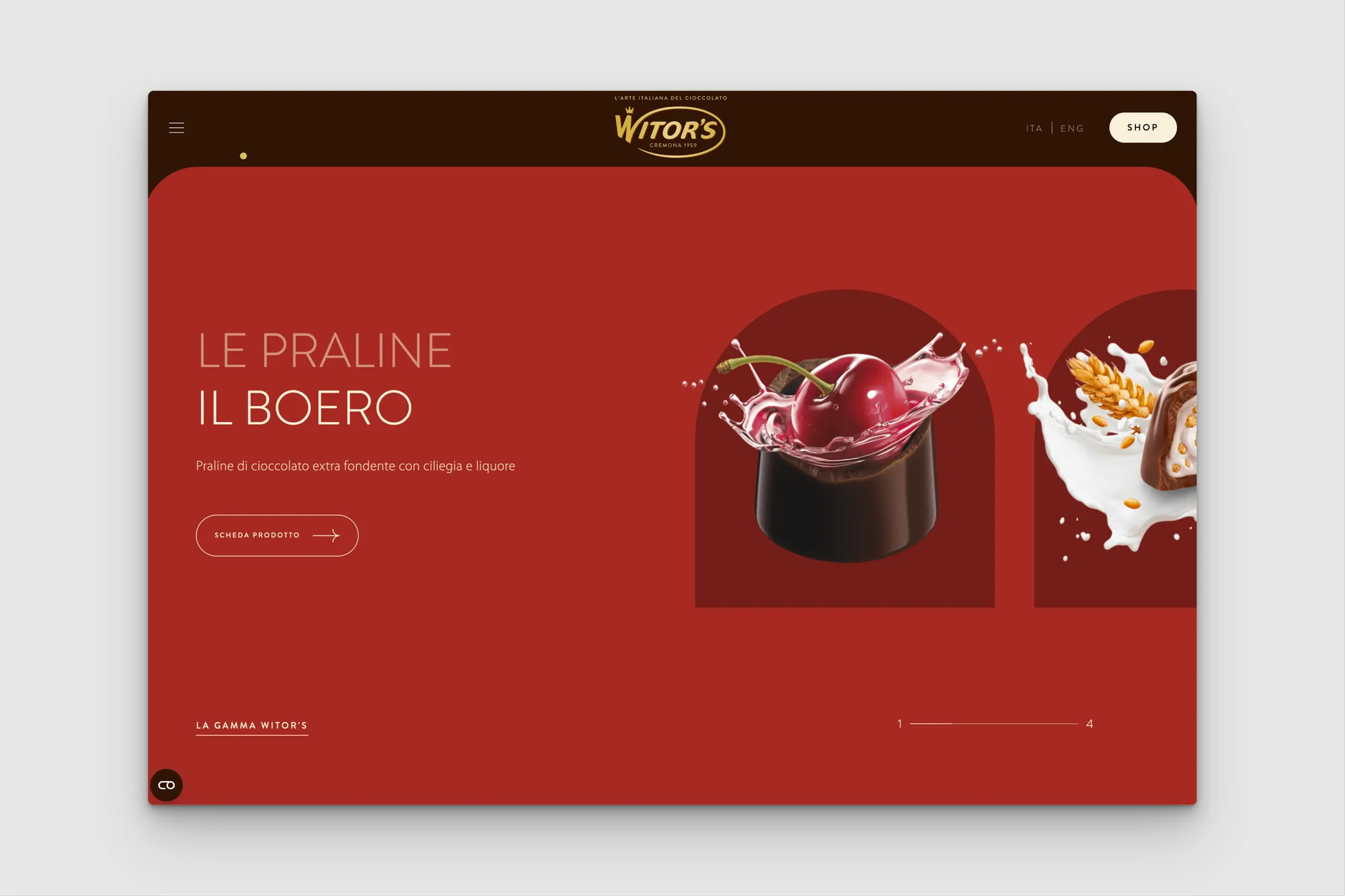
Marketing Site
Multilingual site for a chocolate brand in 80+ countries, built with Caffeina.
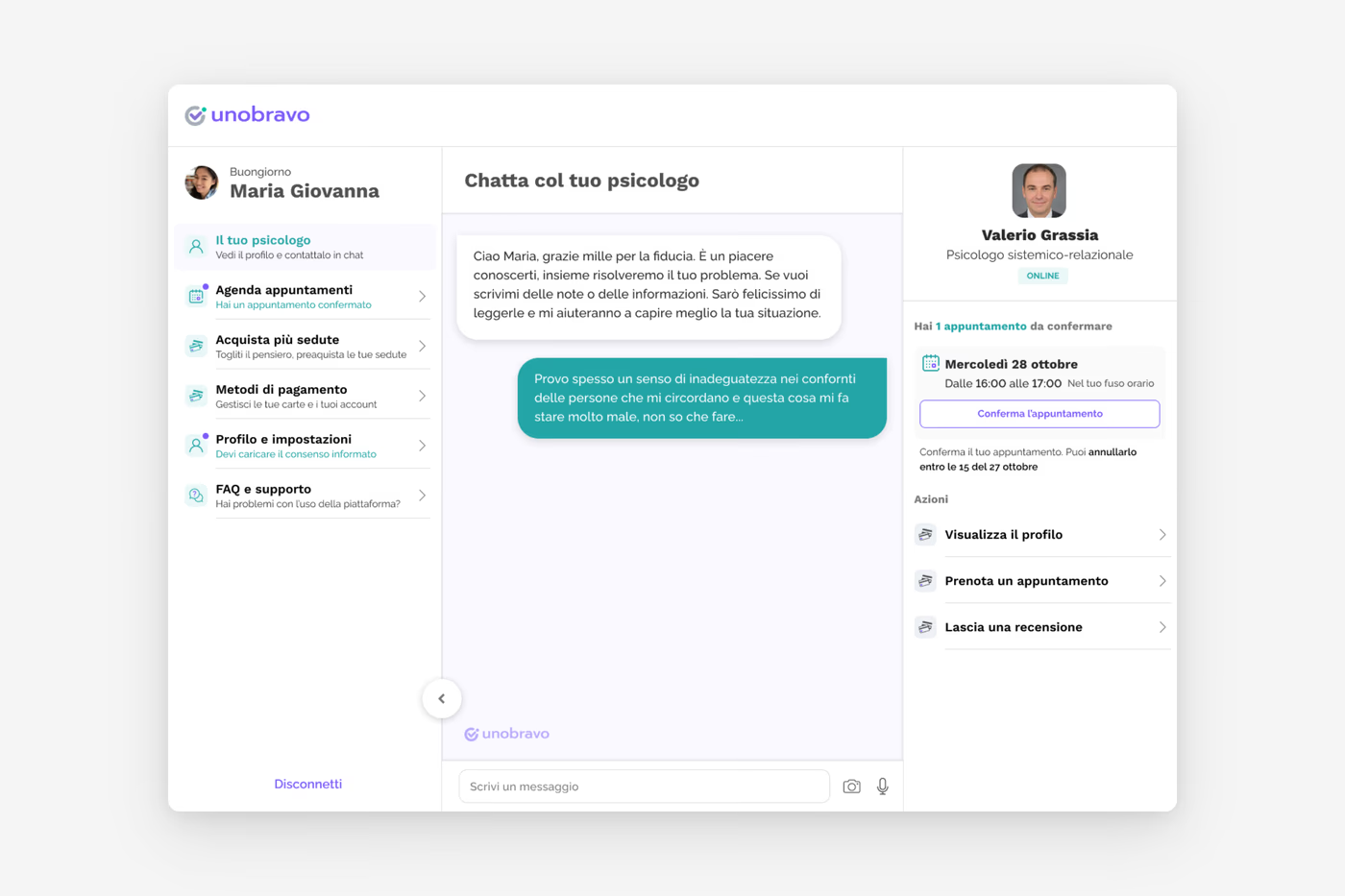
Matching Platform
From an Excel-based operation to the company's first digital product.
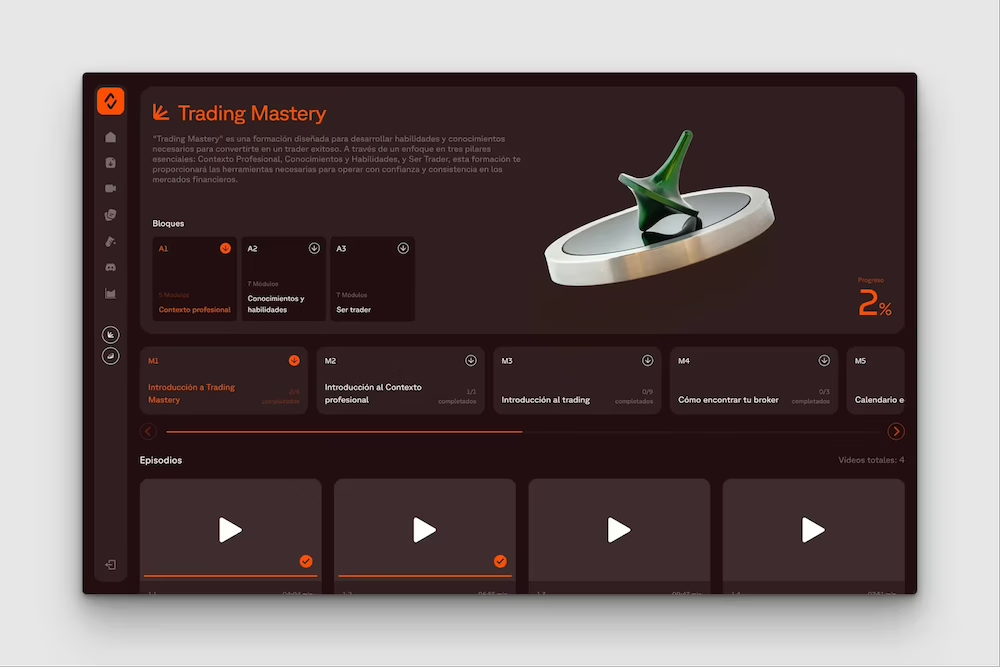
E-Learning platform
v2 of an online academy with 3,000+ students.
I've been building for the web for over 10 years, for startups, online academies and growing companies. That's where my judgment comes from: knowing what to build, which tools fit together and what holds up with real customers. 19 people recommend my work on LinkedIn.

"Within 1-2 calls we knew Nicola was the CTO our company needed. He doesn't just deliver, he actively challenges our briefings and makes the platform better than initially planned."
"Within 1-2 calls we knew Nicola was the CTO our company needed. He doesn't just deliver, he actively challenges our briefings and makes the platform better than initially planned."
You see working software before you get a quote.
We talk about what you need and I see whether I can help.
A first version on a preview link, then a fixed price based on the prototype.
your-project.vercel.app
Once you accept the quote, I start building. You follow progress until launch.
I stay responsible with a monthly subscription. Cancel anytime.
Start with a fixed-price project, then continue with the subscription.
A new website, web app or automation, or a migration from Webflow, WordPress or no-code.
Price
Quoted on the prototype
Includes
After launch I stay responsible for what I built: site, web app and automations, in one subscription.
Price
$3,000/ month
Includes
It's included in the quote. If after the first call I see I can help you, I build a working first version before sending you the price.
So you see my solution before you decide.
Yes, if you need it, and the analytics too. The site isn't just good-looking: it's built to convert, and you can track how it performs.
If you already have a designer, I start from their layouts.
No, I rebuild it. I start with an audit of what you have, keep what works and rebuild it on a modern stack: faster, more secure and code you own. If you're on Webflow, I know it well: I've built many projects on it.
You send me requests and I work on them in order, one at a time. A request is one change, like a new page or a simple automation, or a few small ones together, like new images and the copy of a section.
Bigger work, like a new admin area, is split into several requests: I tell you how before I start. A new product, like a site, a web app or an automation system, starts as a fixed-price project. Bugs in what I built never count as requests.
Many prefer to take the subscription, pause it once the request is done and resume it when needed, within 12 months. That way the price of the days already paid stays locked.
Otherwise, if you only have one or a few requests, let's talk on a call.
Twice a month I check that everything I built is healthy and working:
Then I tell you on Slack what I checked and what I fixed. And it's not just a check: if I spot other things to improve on the technical side of your business, I point them out and suggest how.
You can cancel anytime, without notice. You can also pause: the month stops and picks up where it left off.
During a pause, the check-up, monitoring and my responsibility stop too. When you resume after more than a month, the first job is a check-up.